Chelsea Residence
Chelsea, London
The brief arrived with a single clear instruction: make the house feel larger without touching the footprint. The property — a mid-Victorian terraced house on a quiet street behind the King’s Road — had been through several previous interventions, none of them wrong exactly, but collectively making the interior feel assembled rather than resolved. Our task was to find the underlying logic of the house and make it visible.
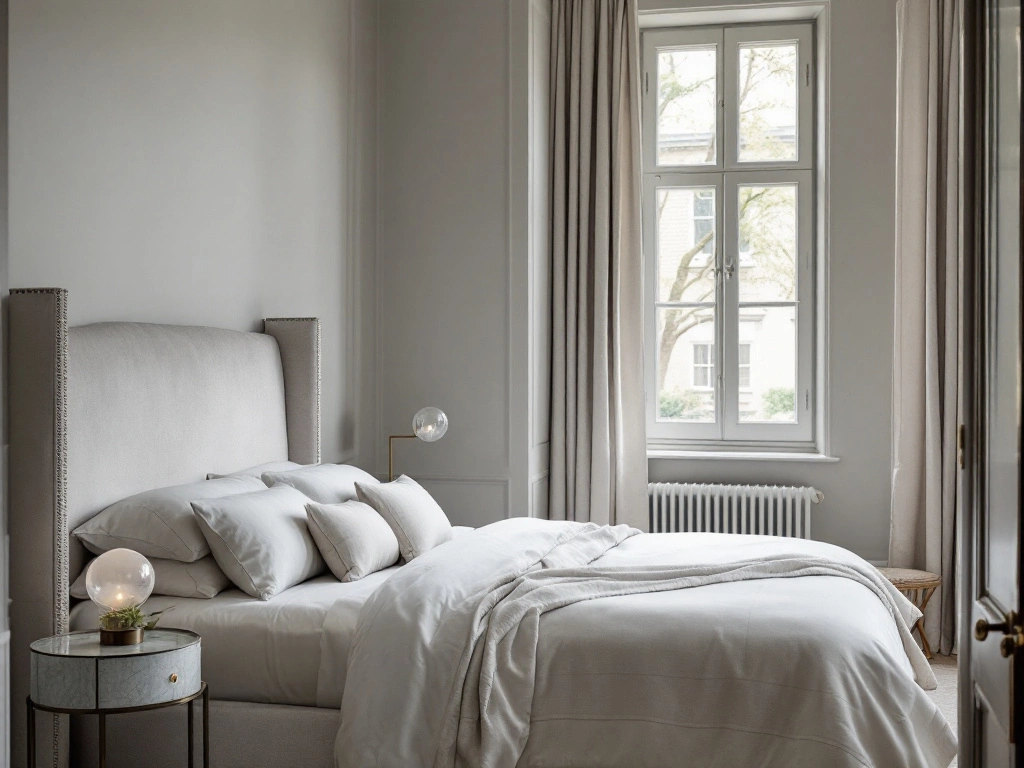
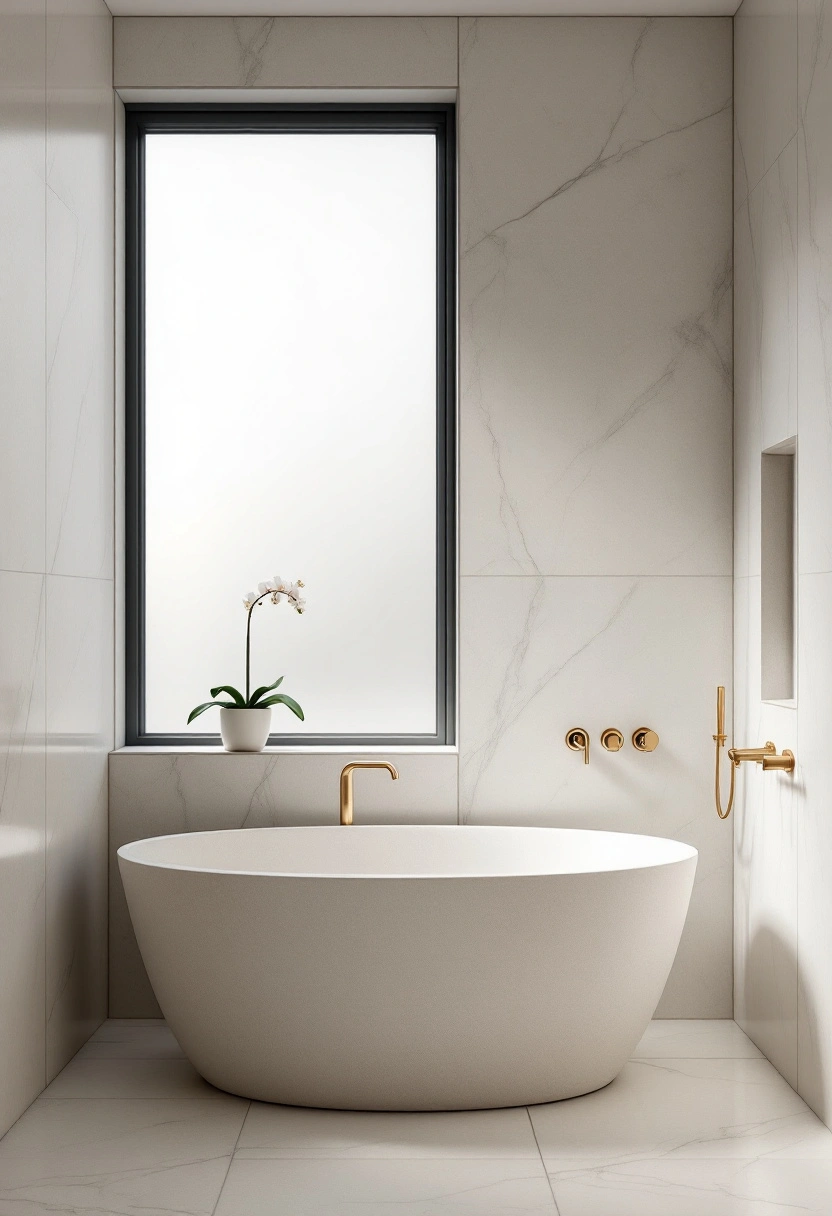
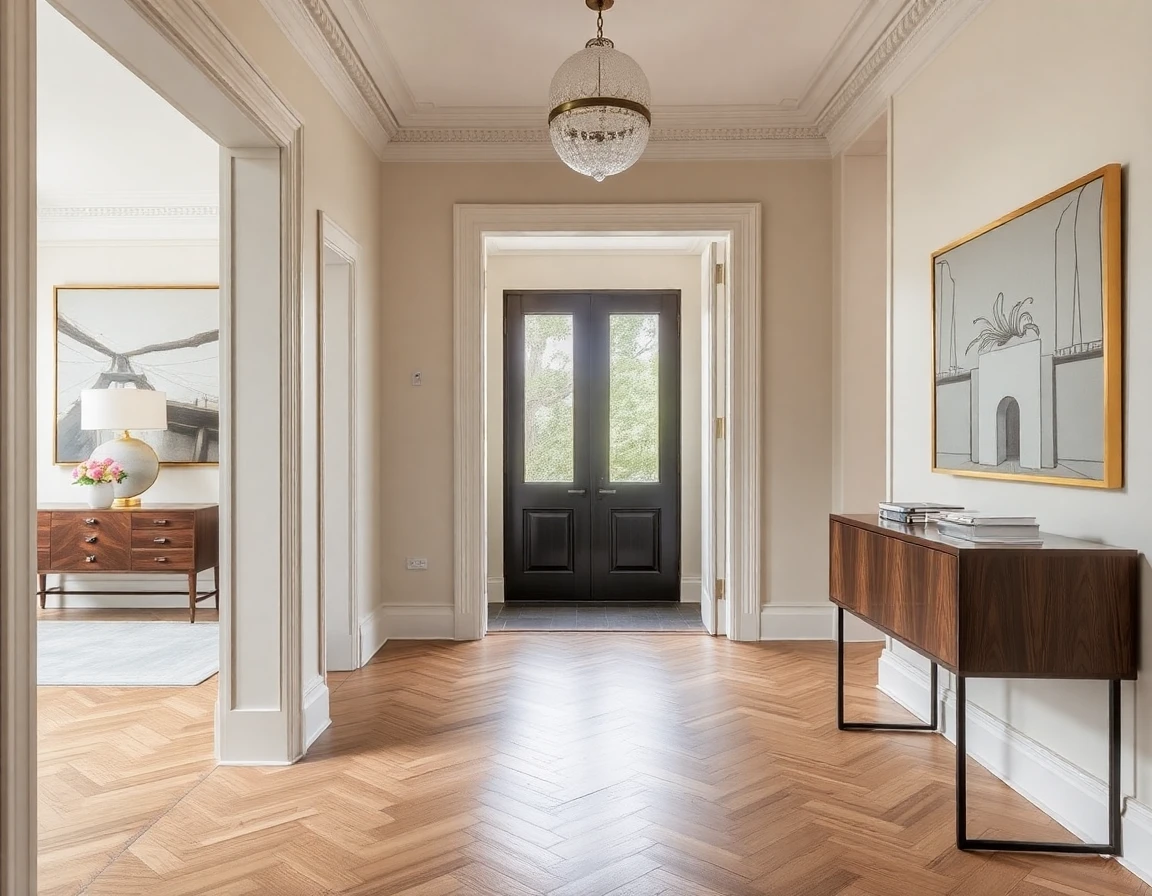
The lower ground floor was the first decision. A load-bearing wall between the kitchen and a narrow utility passage was removed and replaced with a single oak-framed opening, allowing morning light from the garden-facing kitchen to reach the hallway. The floor throughout the lower ground was laid in a large-format limestone with a honed finish — pale enough to read as light, dense enough not to show the life of a family with three children. Joinery was designed to run floor to ceiling wherever possible: a pantry cupboard in the kitchen, a library wall in the first-floor study, a wardrobe room on the second floor that absorbed what had previously been an awkward dressing area.
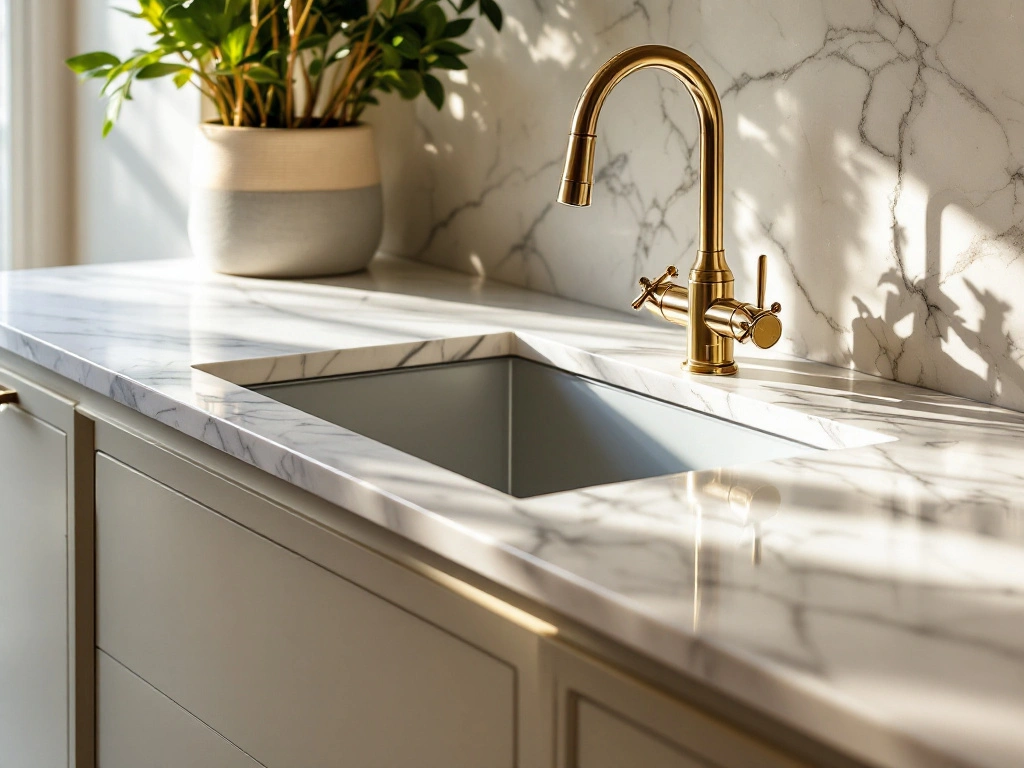
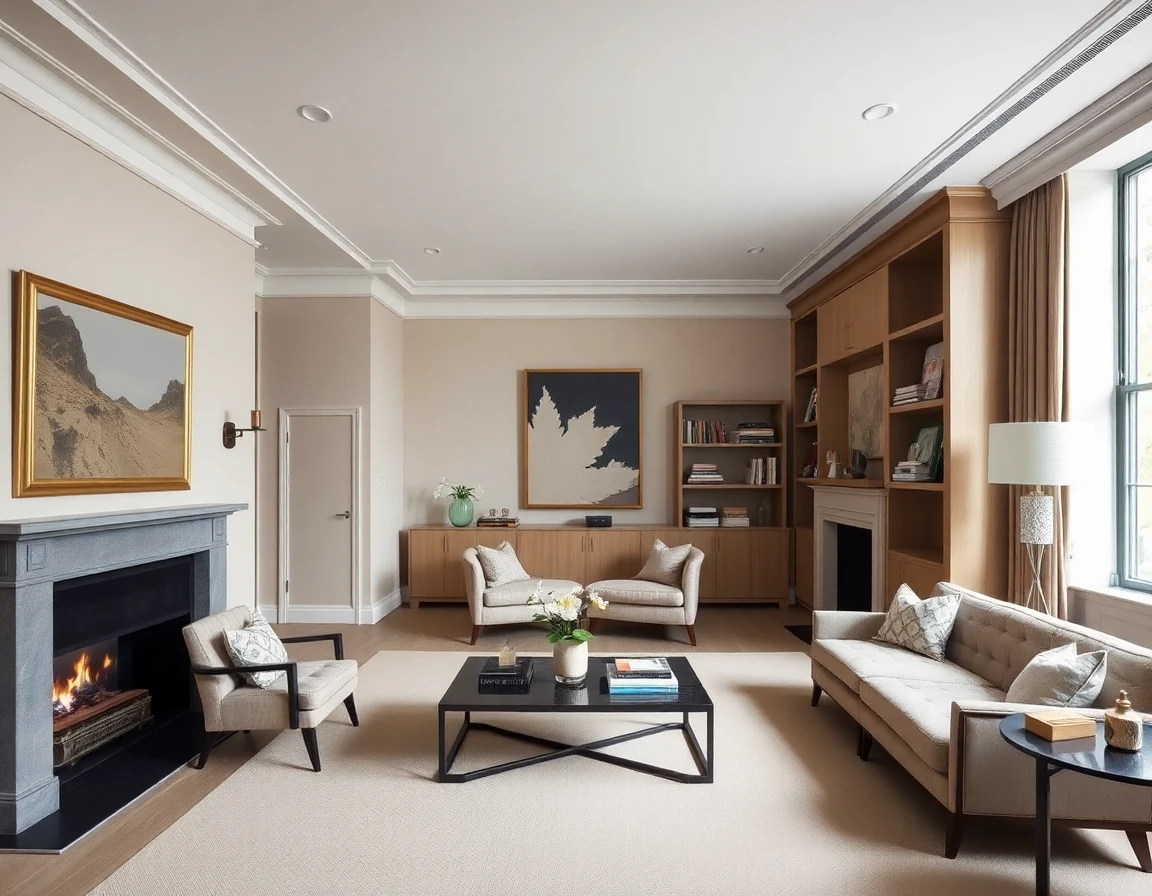
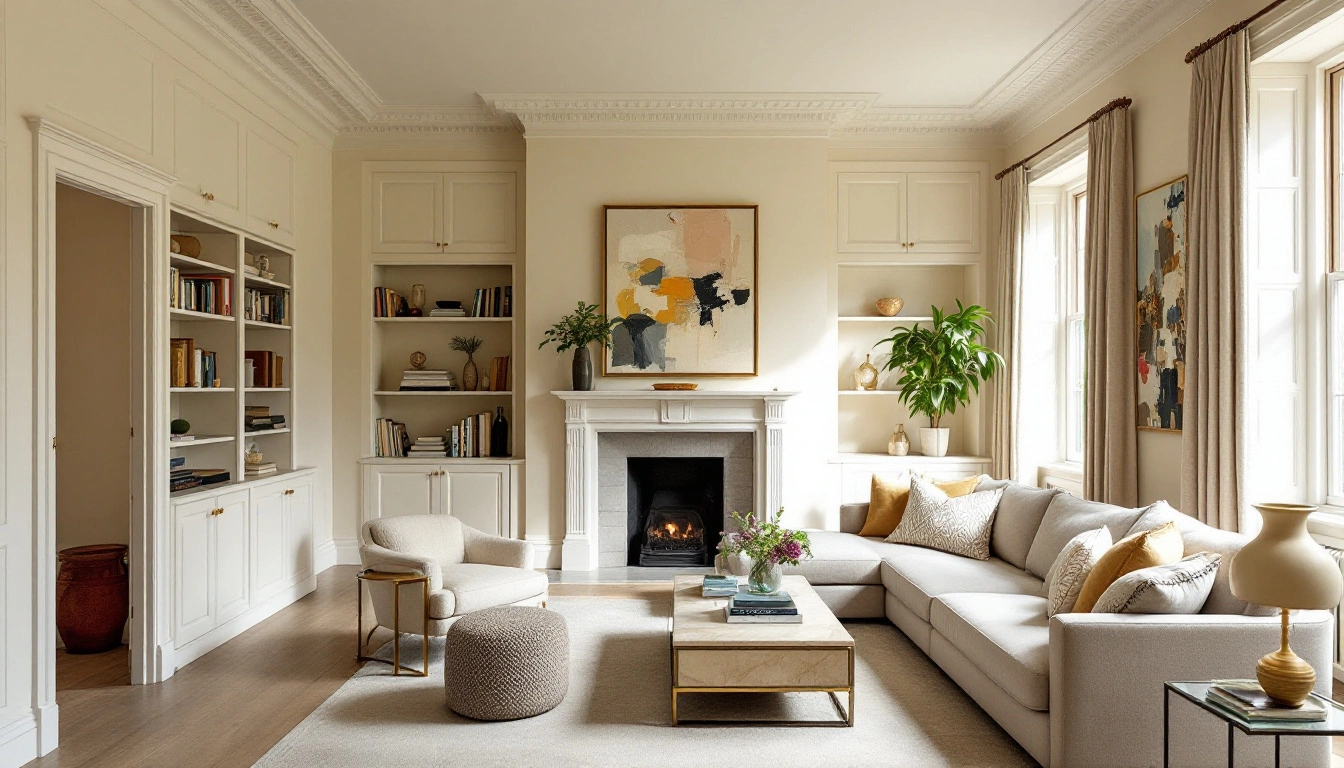
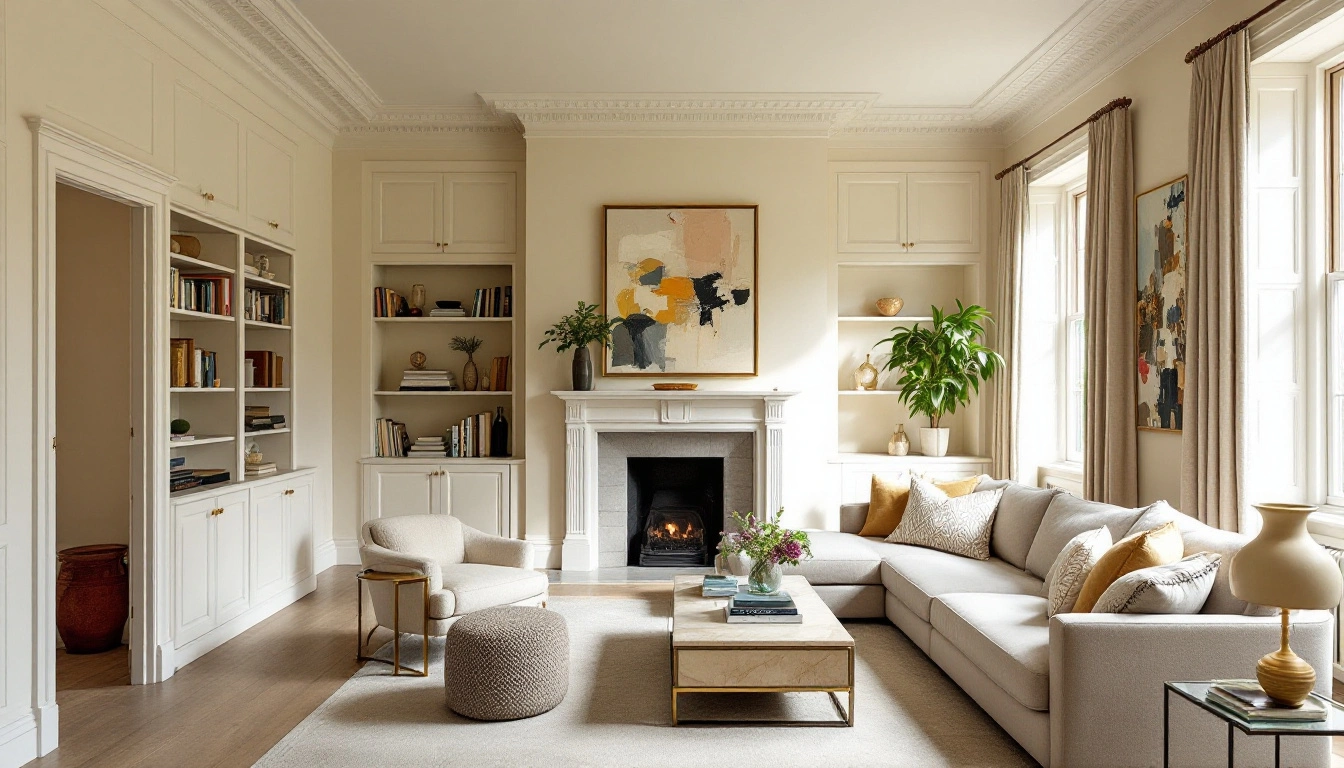
The palette was held deliberately quiet — Farrow & Ball’s ‘Bone’ throughout the reception rooms, linen in a warm natural on the sofas, curtains in an unlined cotton that filters rather than blocks the light. The house now reads as a single, considered object rather than a series of rooms that happen to share a staircase.