Belgravia Townhouse
Belgravia, London
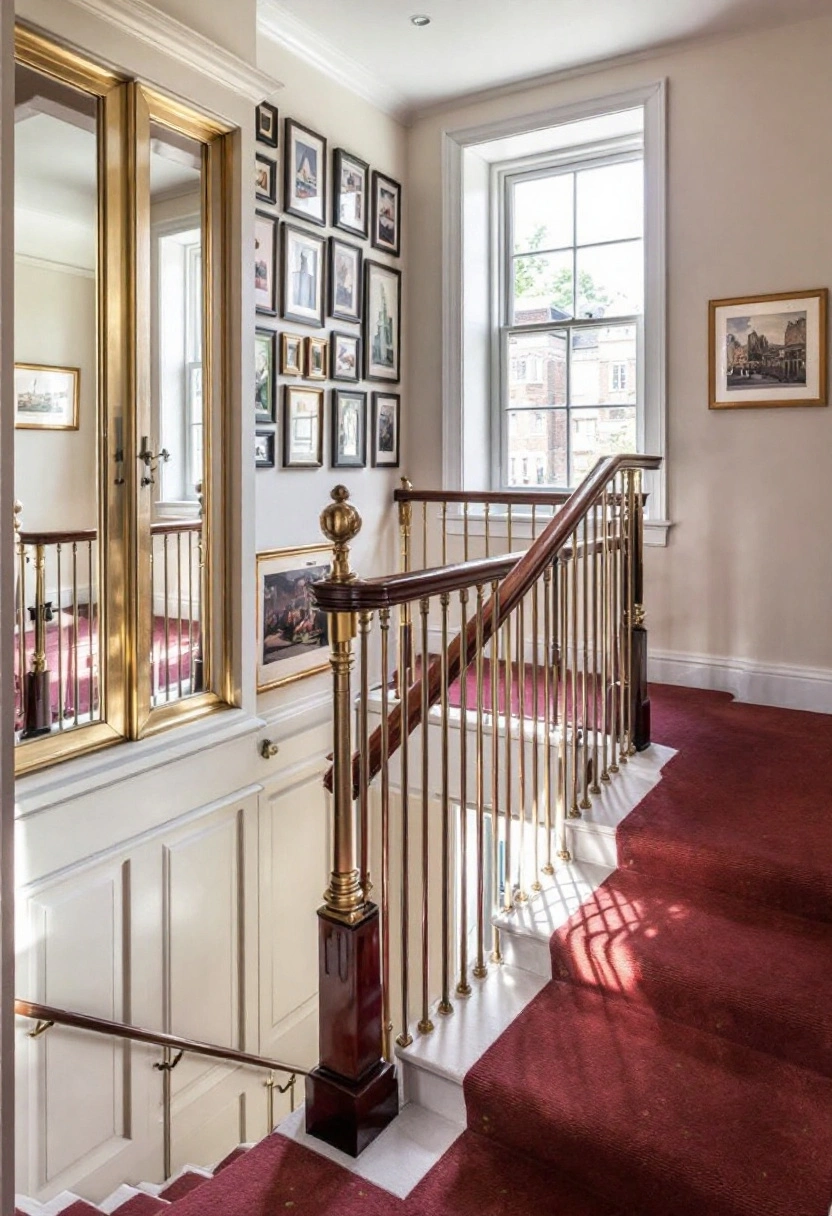
Working within a listed building requires a particular kind of discipline: every decision must be reversible in principle, and no intervention should compete with the fabric of the building itself. The Belgravia townhouse was a late-Regency property with good original cornicing, a staircase that had survived intact, and an arrangement of reception rooms on the first floor that had been largely untouched since a 1970s refurbishment had covered everything it could reach in wallpaper and dark paint.
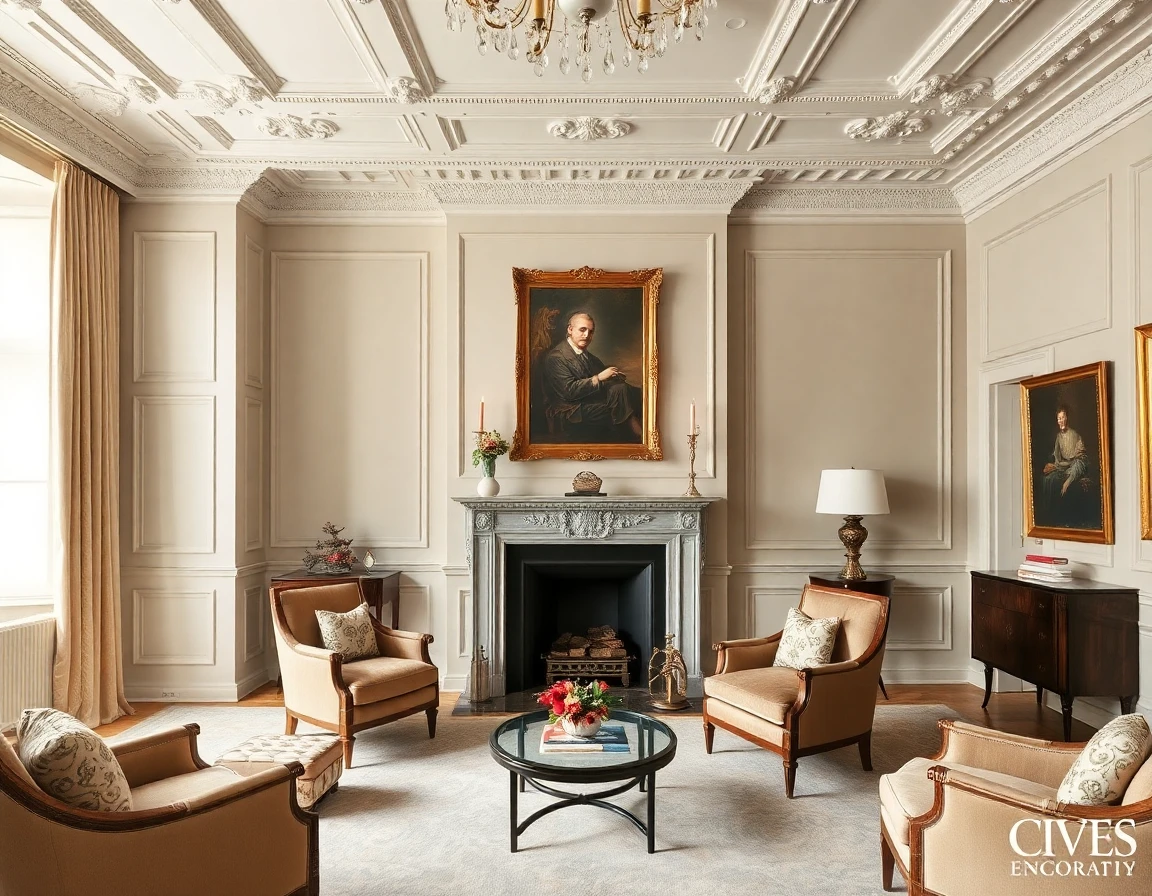
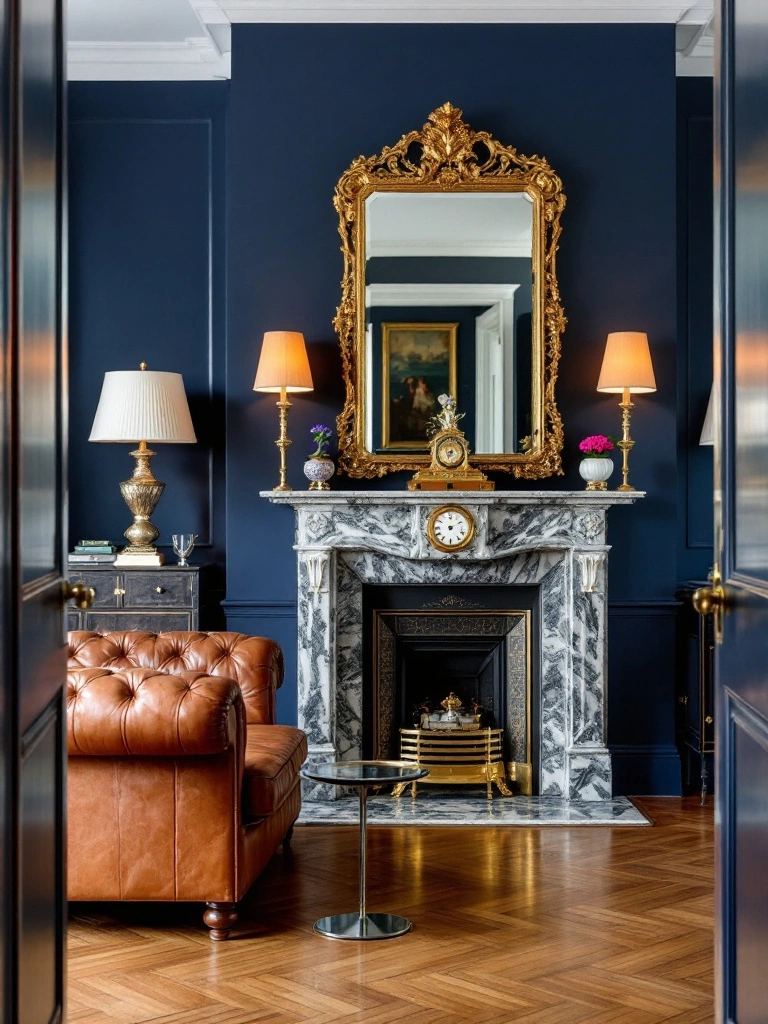
Stripping the wallpaper revealed the original plasterwork in better condition than anticipated. The drawing room was repainted in a warm white — not a period colour, but a colour that allowed the plasterwork to be the feature rather than a backdrop to something else. The chimneypiece was cleaned and the hearth relaid in a black Belgian marble that referenced the period without duplicating it. Furniture for the drawing room was a mix of genuinely antique pieces — a pair of early nineteenth-century bergère chairs reupholstered in a pale silk mohair — and contemporary pieces chosen for their proportion and restraint rather than their period associations.
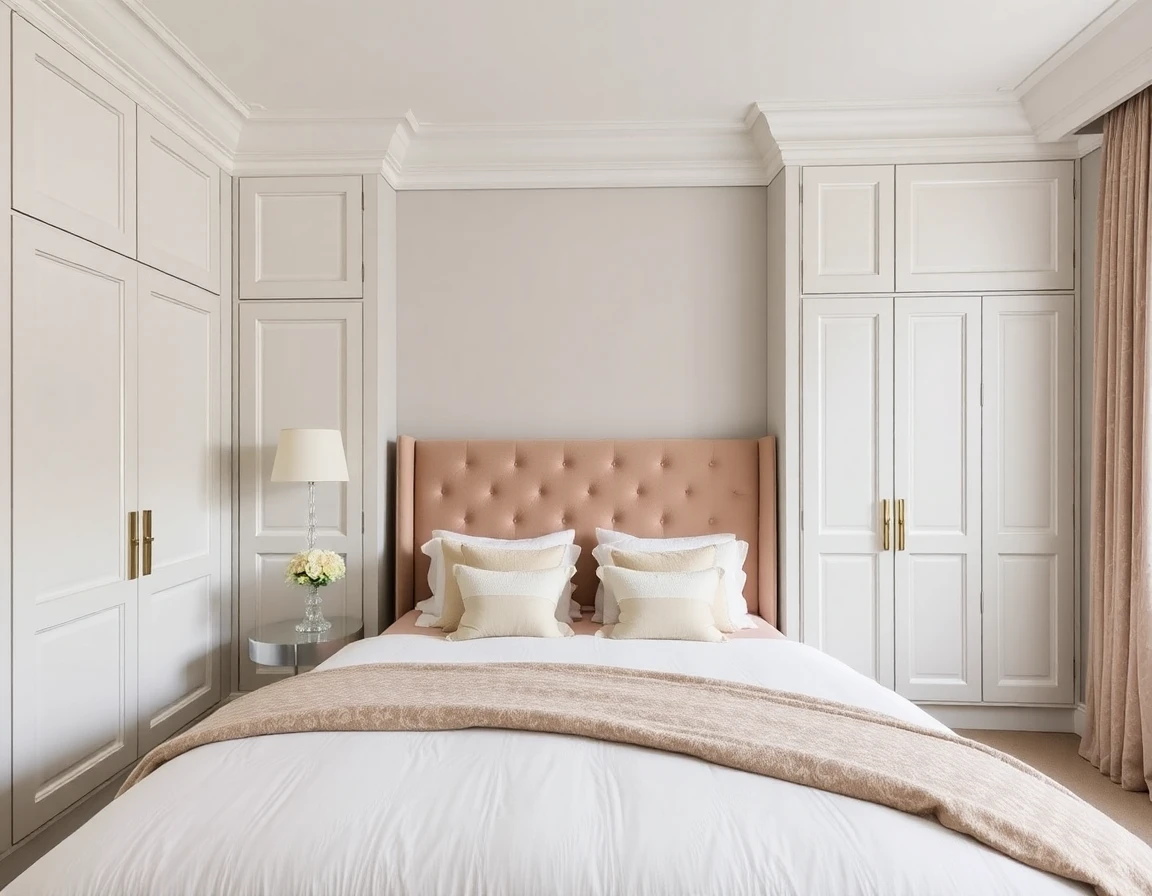
The principal bedroom on the second floor was treated differently: a single room of considerable size that the clients wanted to feel genuinely calm. The walls were lined in a natural grasscloth, the bed dressed in layers of fine linen, the flooring changed from a parquet that had been poorly repaired to a wide-plank oak that related to the rest of the house without pretending to be original. The room works because nothing in it is trying to make a statement.