North Cornish Retreat
Cornwall, England
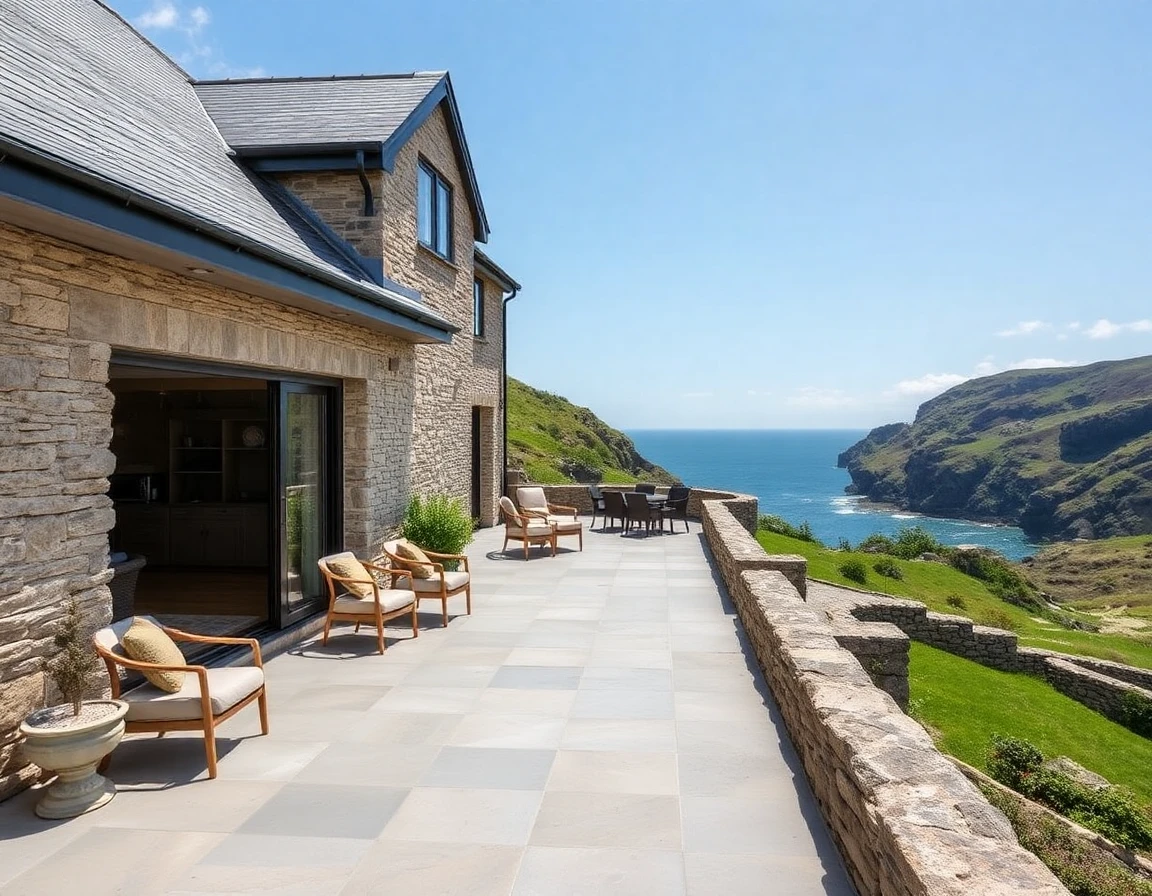
The farmhouse had been a working farm building until the 1980s and had been converted, with varying degrees of care, several times since. What remained was a building that retained the essential qualities of its type — thick granite walls, small deep-set windows, a solidity that the Cornish weather demands — but had accumulated, over successive refurbishments, a collection of materials and finishes that had little relationship to each other or to the building.
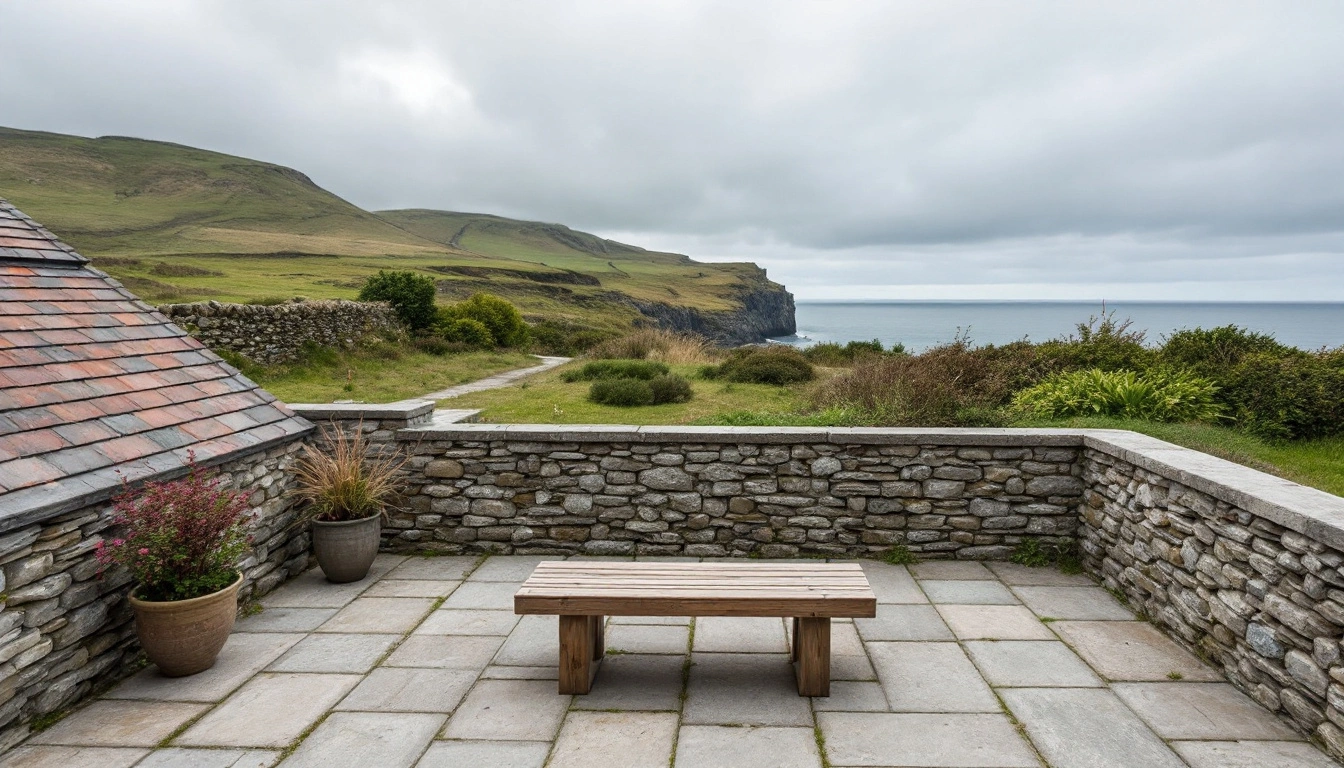
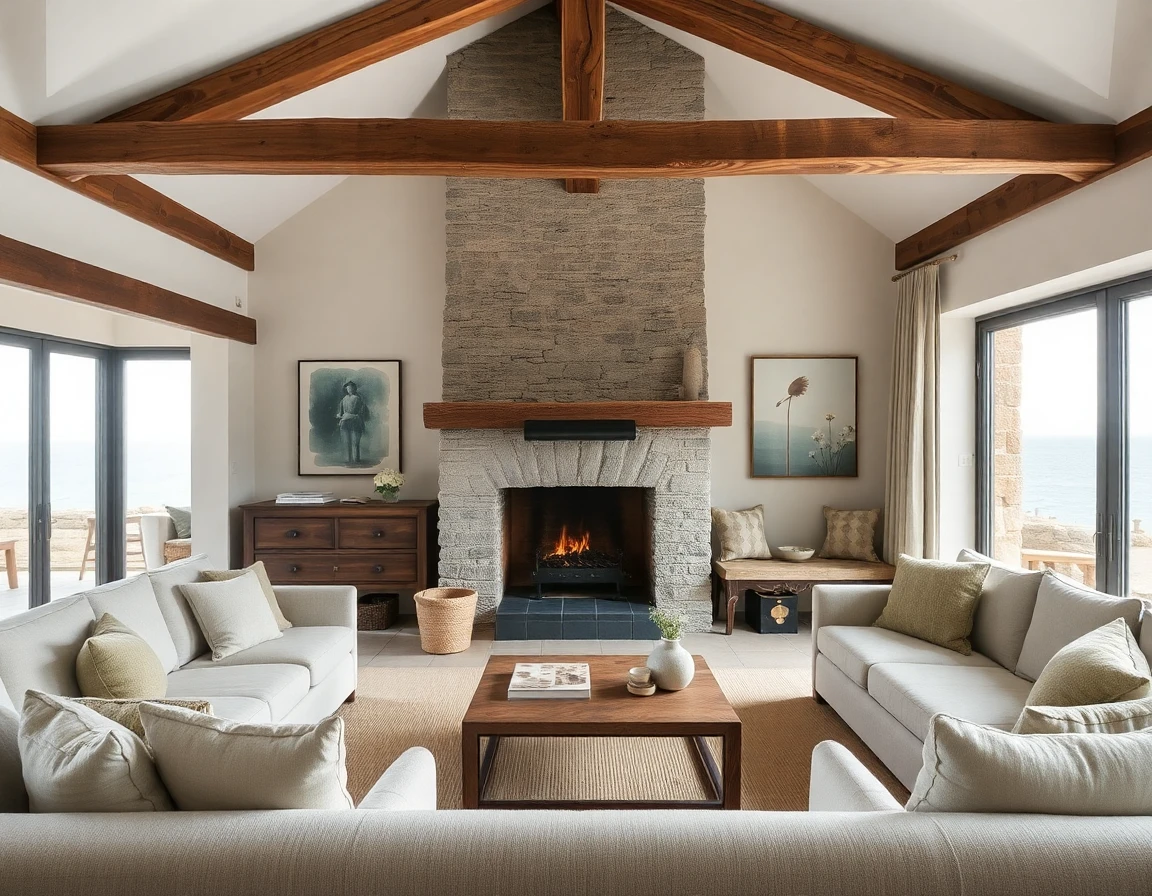
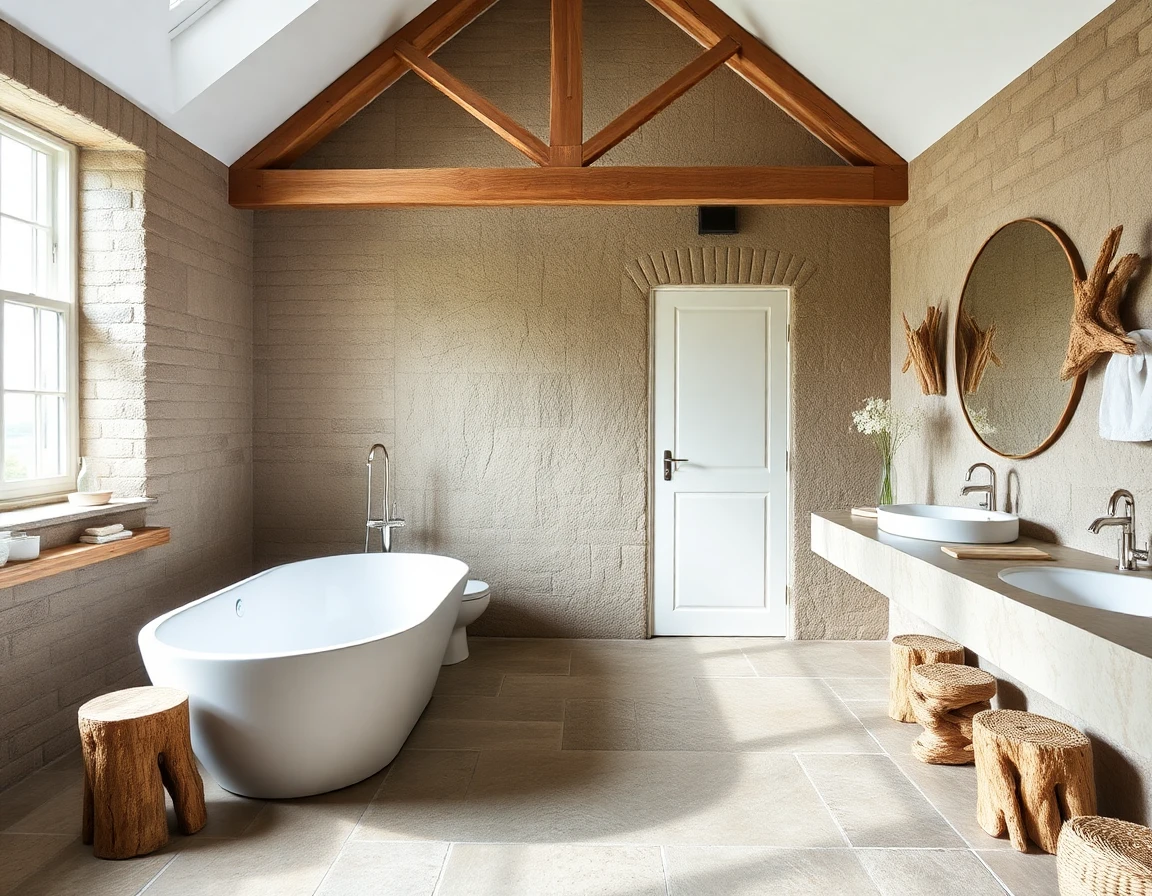
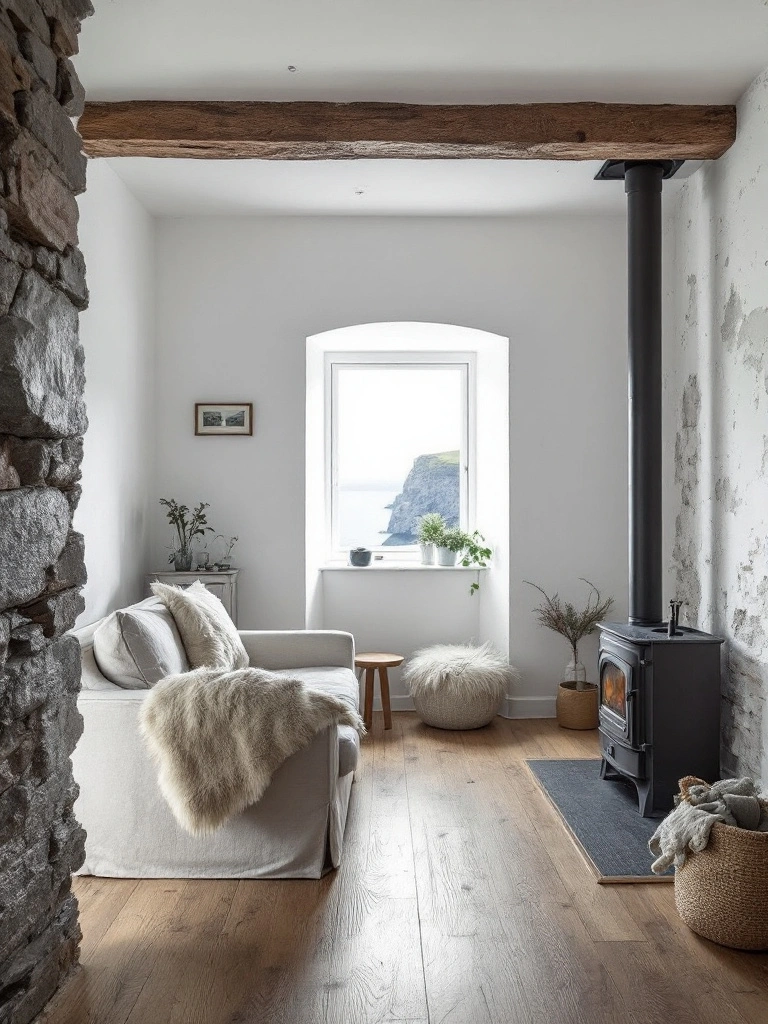
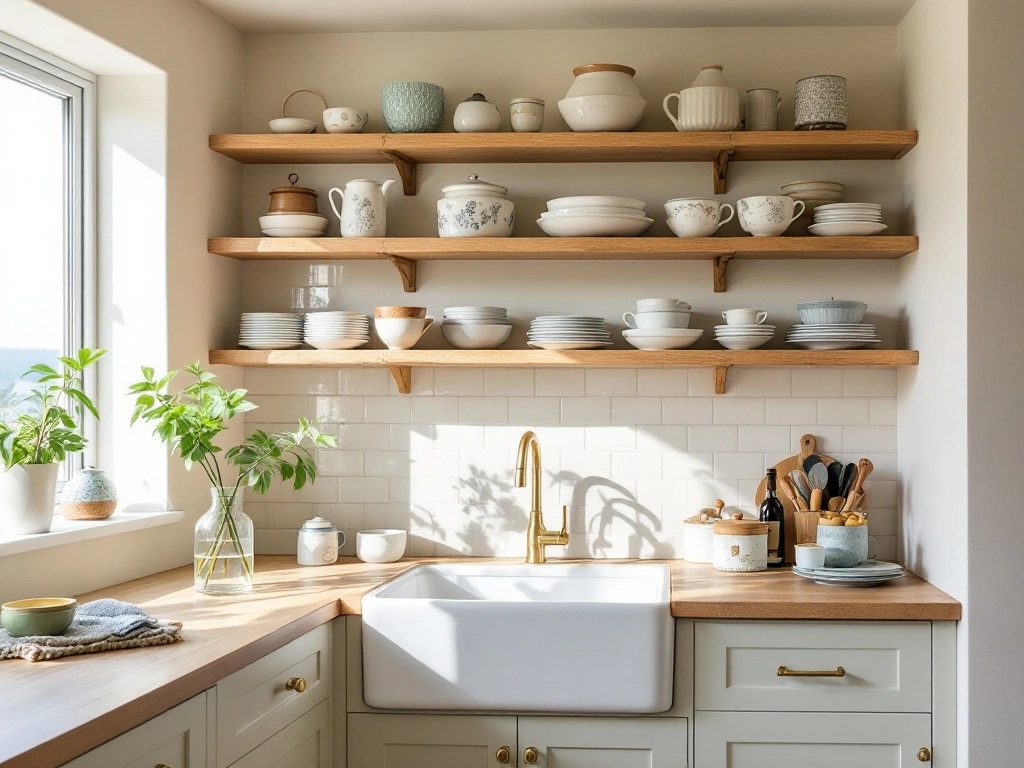
We began by removing. Ceramic floor tiles that had no relationship to anything else were replaced with a reclaimed slate that had come from a quarry in the Delabole valley twenty miles north: the same stone the building would have used had it been floored in the traditional manner. Plaster walls were stripped back to the granite and re-rendered in a lime plaster with a coarser finish than modern plasterwork — harder, slightly uneven, but correct for the building. Joinery throughout was specified in painted softwood with traditional moulding profiles: not a reproduction of period joinery, but not in conflict with it either.
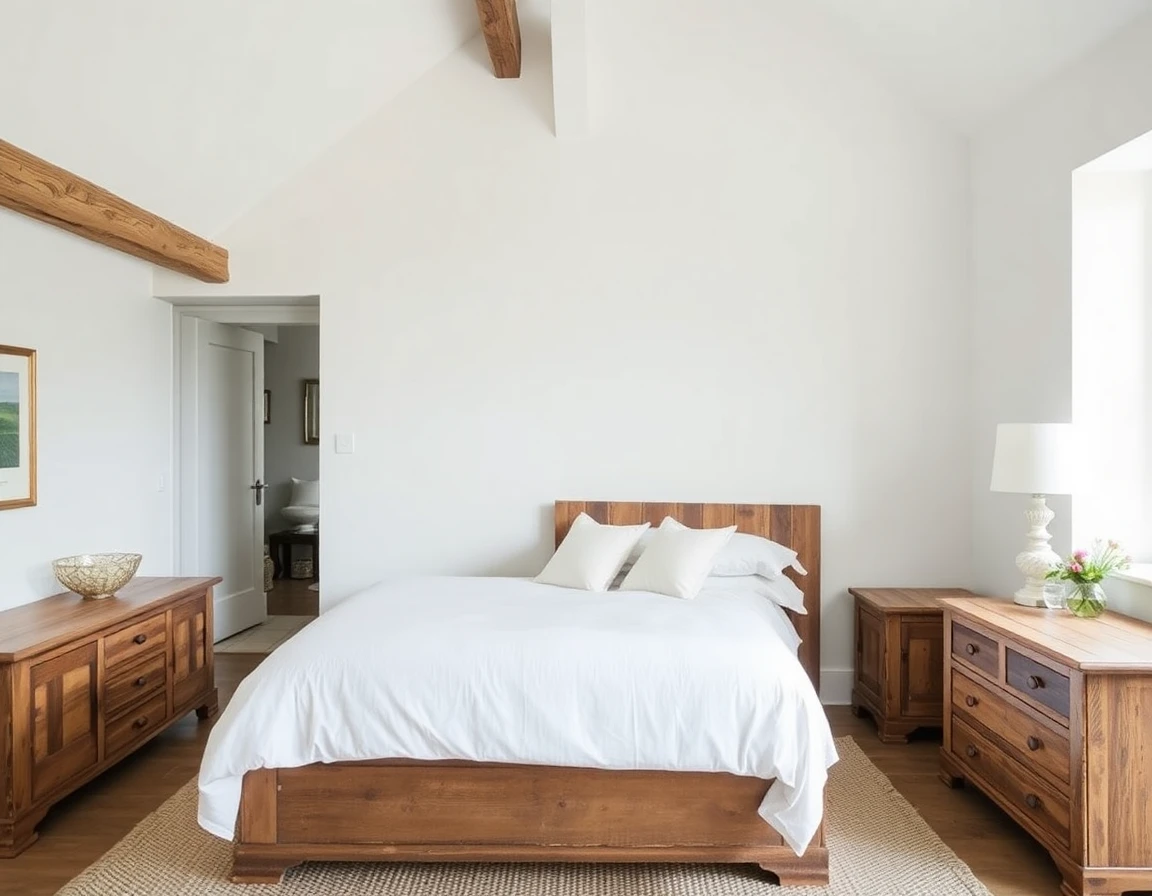
The garden room — a new structure linking the farmhouse to the converted outbuilding — was the one space where a contemporary material language was appropriate. Floor-to-ceiling glazing on three sides, a polished concrete floor with underfloor heating, and a single long table in untreated oak that will weather to grey over time. In a building otherwise made of materials that have already completed that journey, the garden room is the only room that is still becoming what it will eventually be.