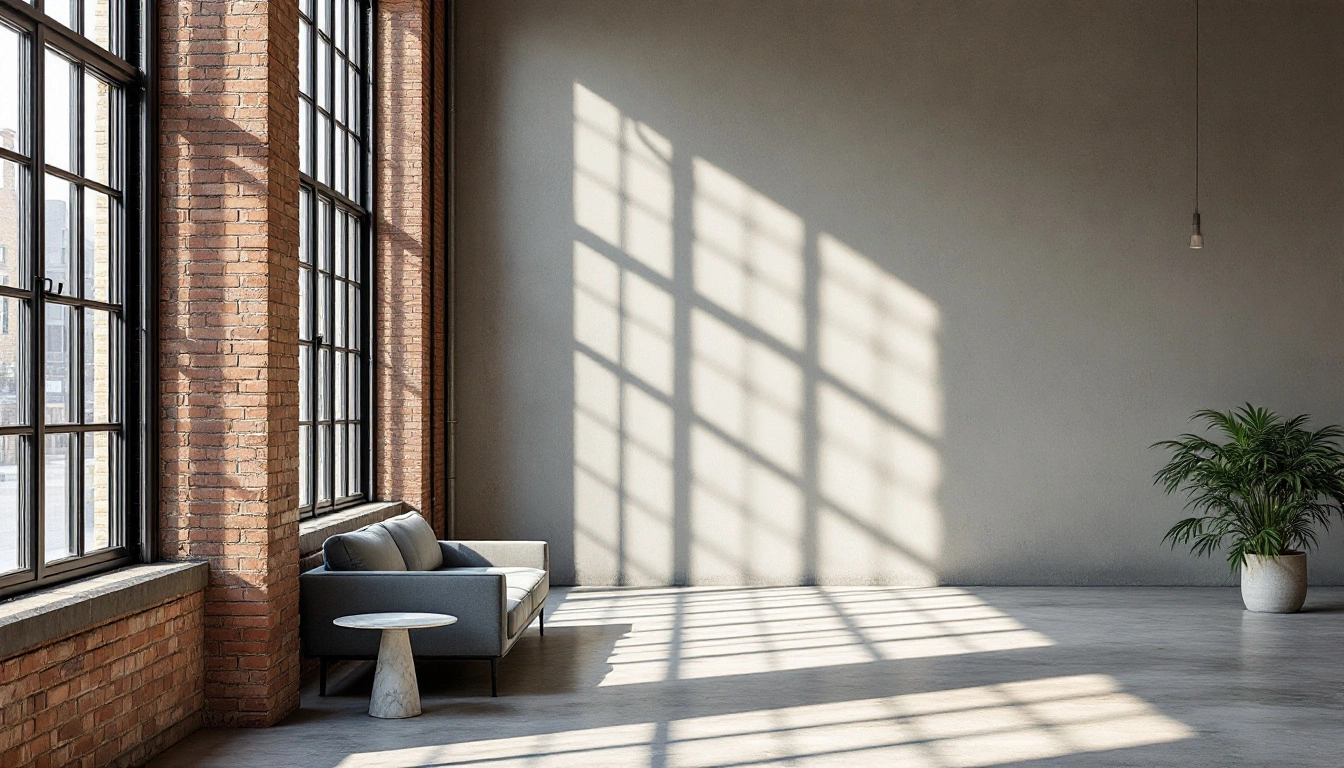
There is a quality of light in a Victorian warehouse that cannot be manufactured. It arrives through windows that were never designed for comfort — north-facing, industrial in proportion, set high in walls three bricks deep — and it lands on surfaces with an indifference that is, paradoxically, the making of the interior. This is not the soft, curated light of a Georgian terrace. It is harder, more directional, and entirely honest.
We came to a project in Wapping with this understanding already in place. The building had been a cold store for the better part of a century. The brief was a family home across three floors, with the lower ground — where the cold store itself had been — given over to a kitchen, a long dining table, and a snug that could absorb a Friday evening or a children’s afternoon with equal ease.
The instinct in these conversions is often to apologise for the industrial past: to panel it out, to hang things from the ceiling that soften it, to introduce domestic warmth in capital letters. We took the opposite view. The brickwork was repaired and left bare. The concrete floor slab was ground to a honed finish and sealed with a low-sheen lacquer that reads as warm grey in morning light and cooler, almost pewter, in the afternoons. Against this — oak joinery with a natural oil finish, linen in a colour close to raw canvas, and a kitchen in hand-painted steel that references the original ironwork without quoting it directly. The light does the rest. It shifts across the brick in a way that makes the room feel different at nine in the morning than it does at four in the afternoon, which is, we think, what a well-made room should do.